
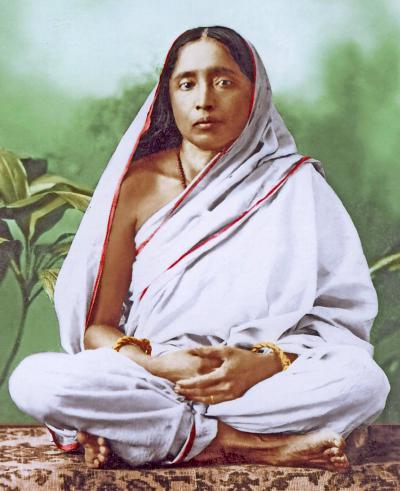
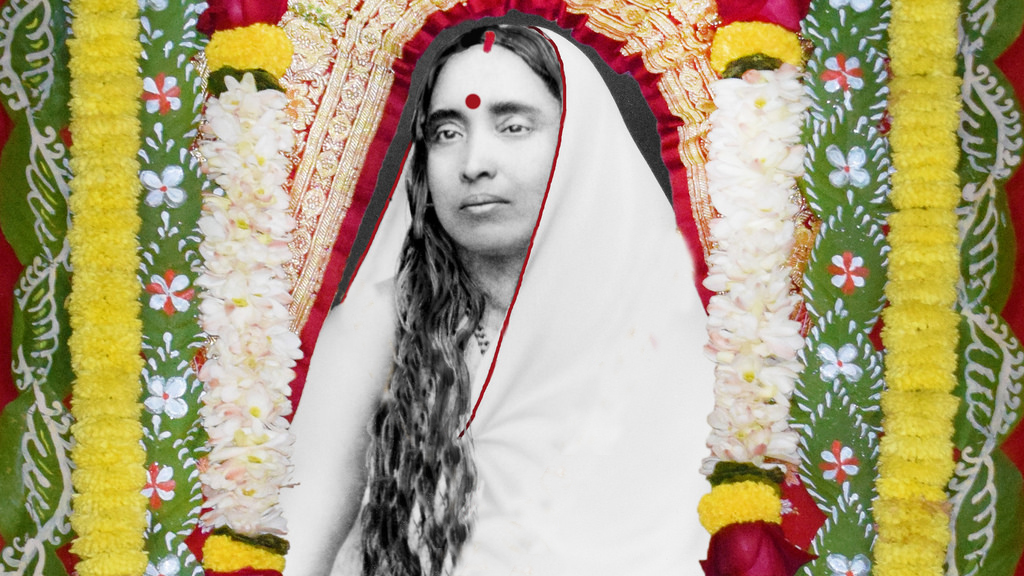
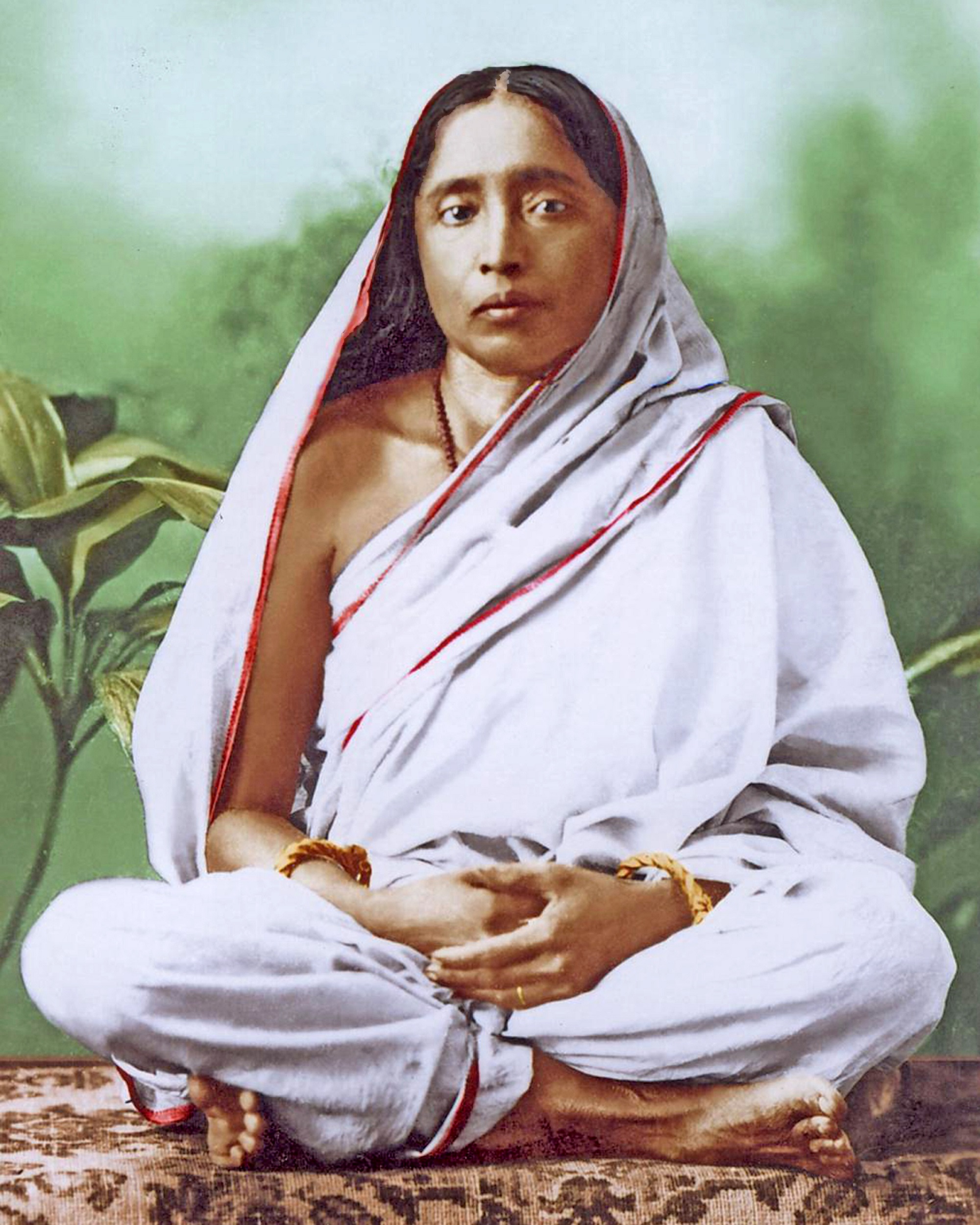
The Appearance of
Sarada Devi and Tales from her Childhood
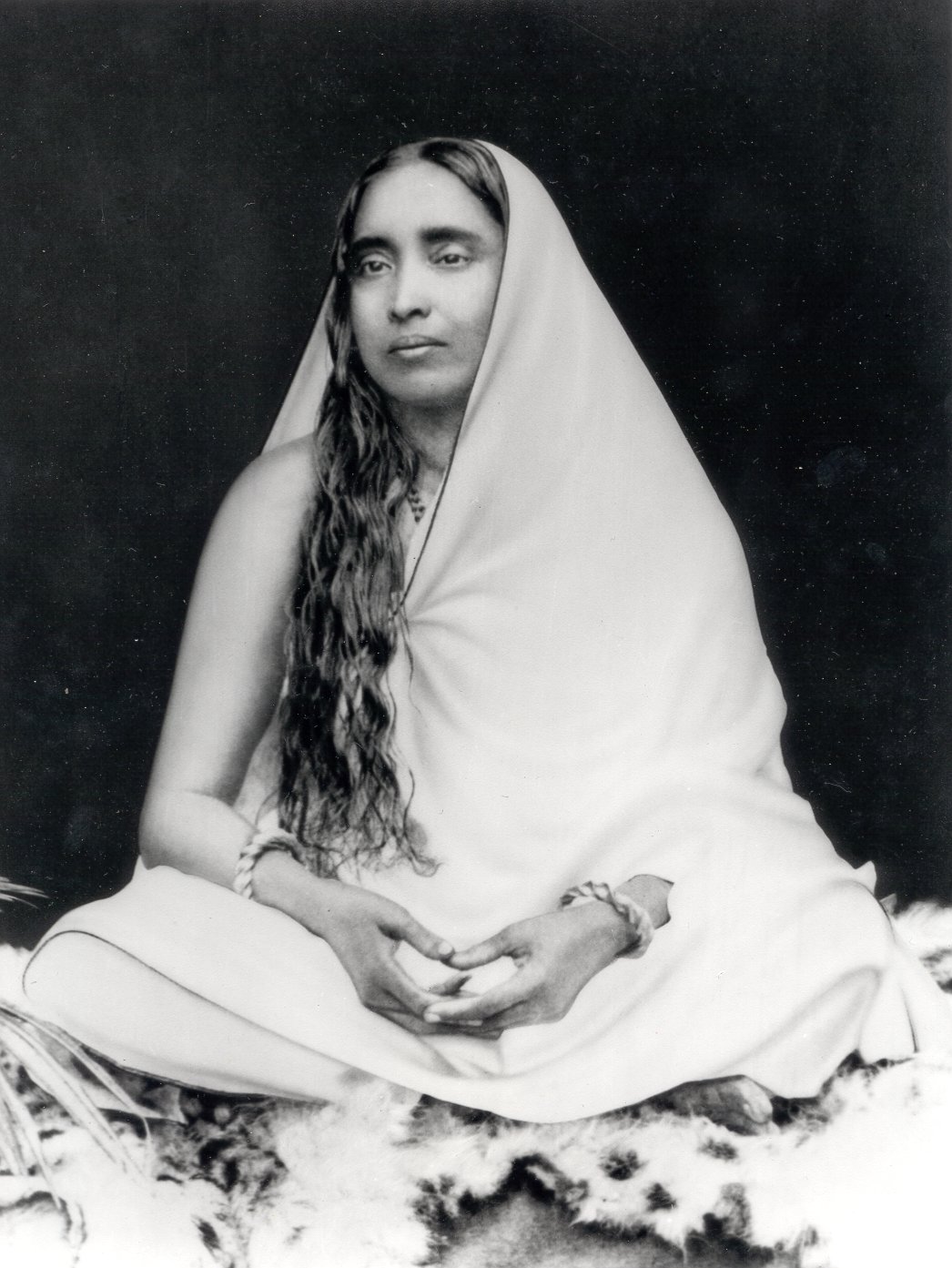
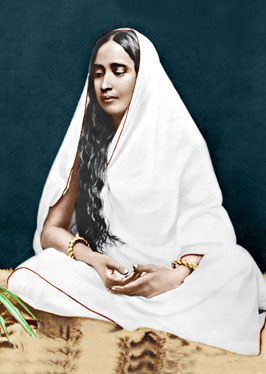
Sri Ma Sarada Devi stands as the eternal haven
of humanity, embodying the boundless grace of motherhood that consoles,
uplifts, and transforms. Born on the sacred night of Krishna-Saptami, 22nd
December 1853, in the serene village of Jayrambati in Bankura, West Bengal, she
descended not merely as a daughter of the soil but as the universal Mother—her
life a living testament to compassion, simplicity, and divine love. To remember
her is to awaken to the truth that in her embrace lies the refuge of all mankind,
a sanctuary where the weary heart finds strength and the restless soul finds
peace.
She was the first child of Ramachandra
Mukhopadhyay and Shyama Sundari Devi, who, before her birth, had a vision that
a beautiful girl wearing a red saree was coming to them as their daughter. The
poor, simple and devout couple had a premonition of the descent of a goddess in
their midst.
Later on, when Gadadhar's mother and elder
brother were searching for a suitable bride for him, Gadadhar, while in a state
of trance, suggested that the match for him was none other than the six-year-old
daughter of Ramachandra Mukhopadhyay of the neighbouring Jayrambati village.
The marriage of the 24-year-old Gadhadhar to the six-
year-old Saradamoni in the year 1859 was perhaps a divine ordinance that started
a new chapter in history.
Since Gadadhar's family was poor, they borrowed
the ornaments for the marriage from their neighbors, the Laha-babus. When it
came time to return the ornaments, Gadadhar's mother Chandramani became
painfully apprehensive about taking the ornaments away from the beautiful
little girl in order to return them to the Lahas. At night, when Sarada was
asleep, Gadadhar himself removed the ornaments from her body and handed them
over to his mother. When Sarada, on waking up, did not find her ornaments and
started crying, Chandramani consoled the little bride by assuring her that she
would get better ornaments for her later.
Sarada returned to her parents' place after the
marriage and started growing up amidst her native rural surroundings. Besides
helping her mother in her household chores, Sarada kept herself busy with the
typical chores of a rural household, like taking her younger siblings to bathe in
the river, cooking, de-husking the rice, twisting sacred thread, feeding the
cows, carrying food for the laborers, tilling the fields and even collecting
the rice from the paddy fields strewn behind (confusing) by the invading locust
swarms.
Foot Note:
During the great famine of Bengal from 1864-65,
Sarada's father Ramachandra prepared Kichadi—a type of gruel made of rice and
lentil cooked together—from the grains stored in his grain silo and distributed
it to the hungry. During distribution, little Sarada was ever ready with her
hand-fan to cool the hot Khichadi served on the plates of the starving people.